%label%
%sku%%description%

Large-scale revegetation projects are a critical part of restoring New Zealand’s landscapes, whether for infrastructure, riparian planting, erosion control or biodiversity outcomes. But one of the biggest challenges remains the same across all projects:
This early establishment phase determines whether a project succeeds or fails. Poor survival rates lead to costly replanting, increased maintenance and delays in achieving environmental outcomes.
The good news is that survival rates can be significantly improved with the right combination of plant protection, weed suppression, moisture management and system design.
This guide outlines the key factors that drive success in large-scale revegetation projects and how to optimise them.
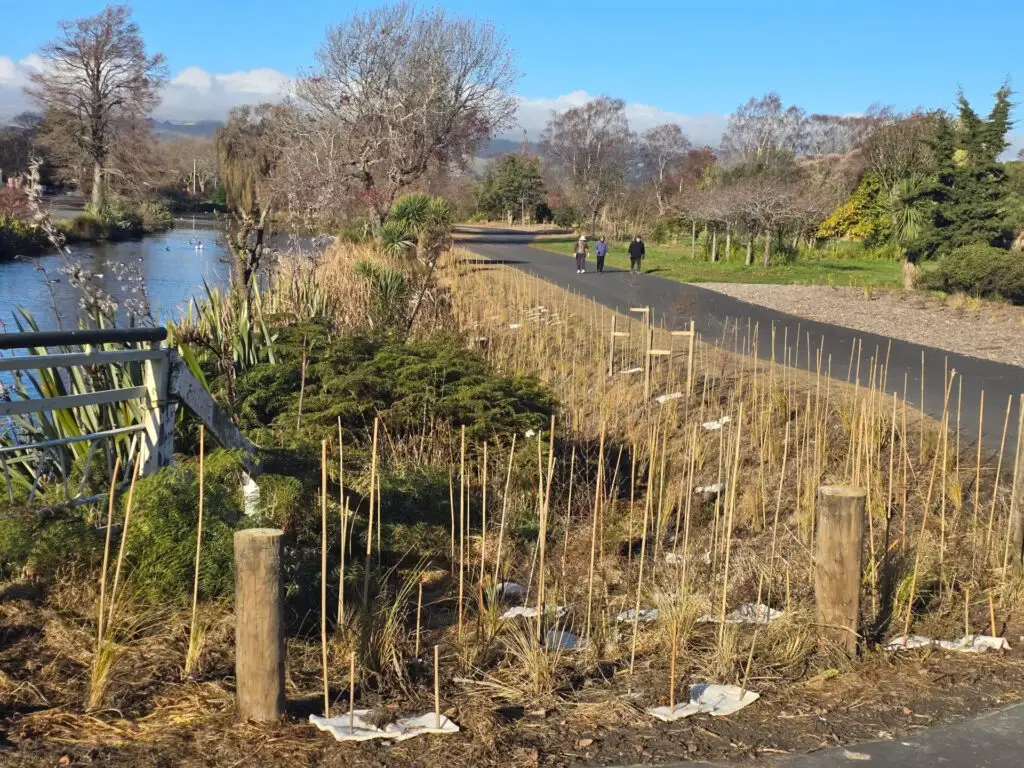
The first year after planting is when seedlings are most vulnerable. They face multiple threats:
Without protection, plant losses can be significant.
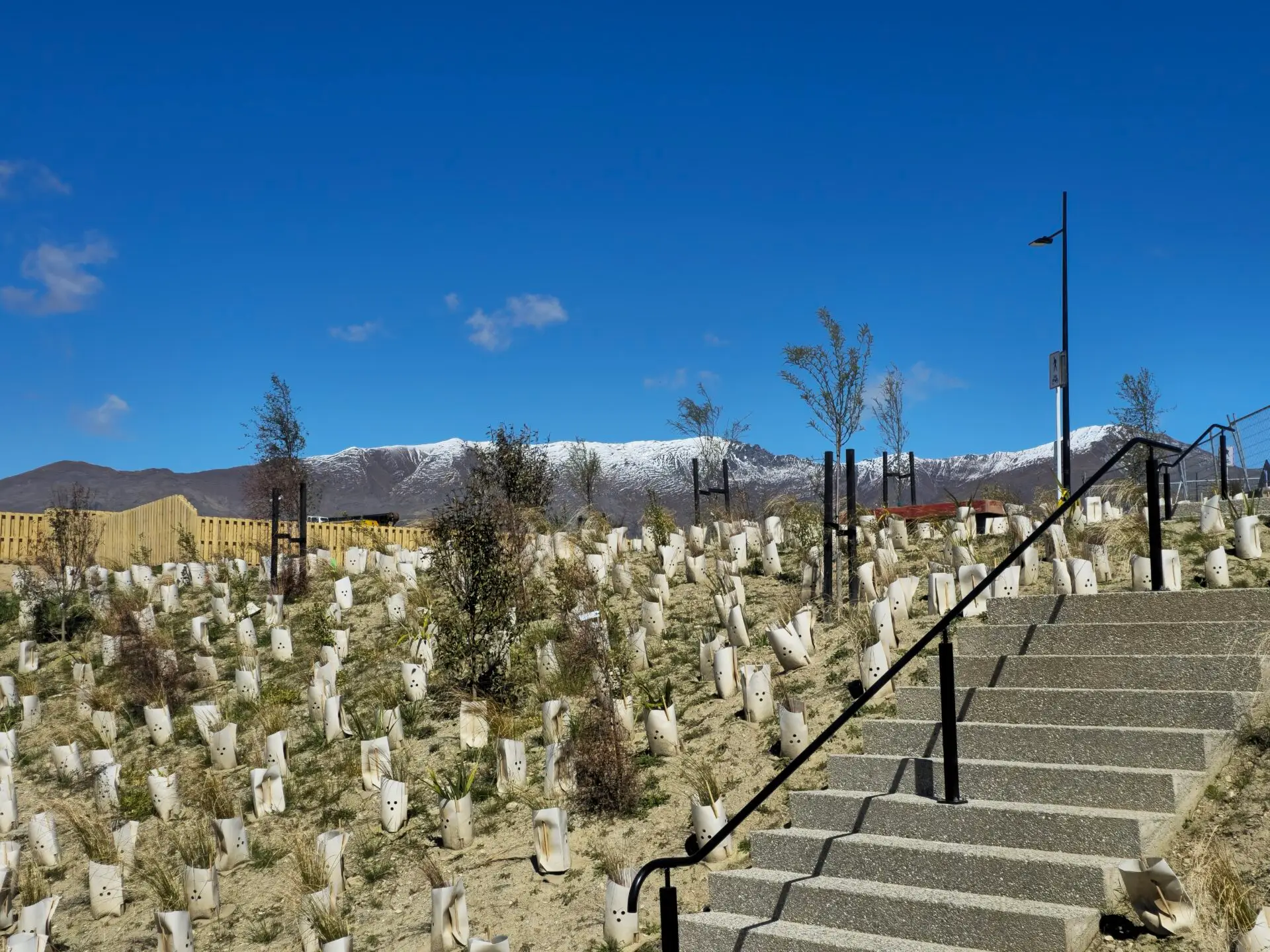
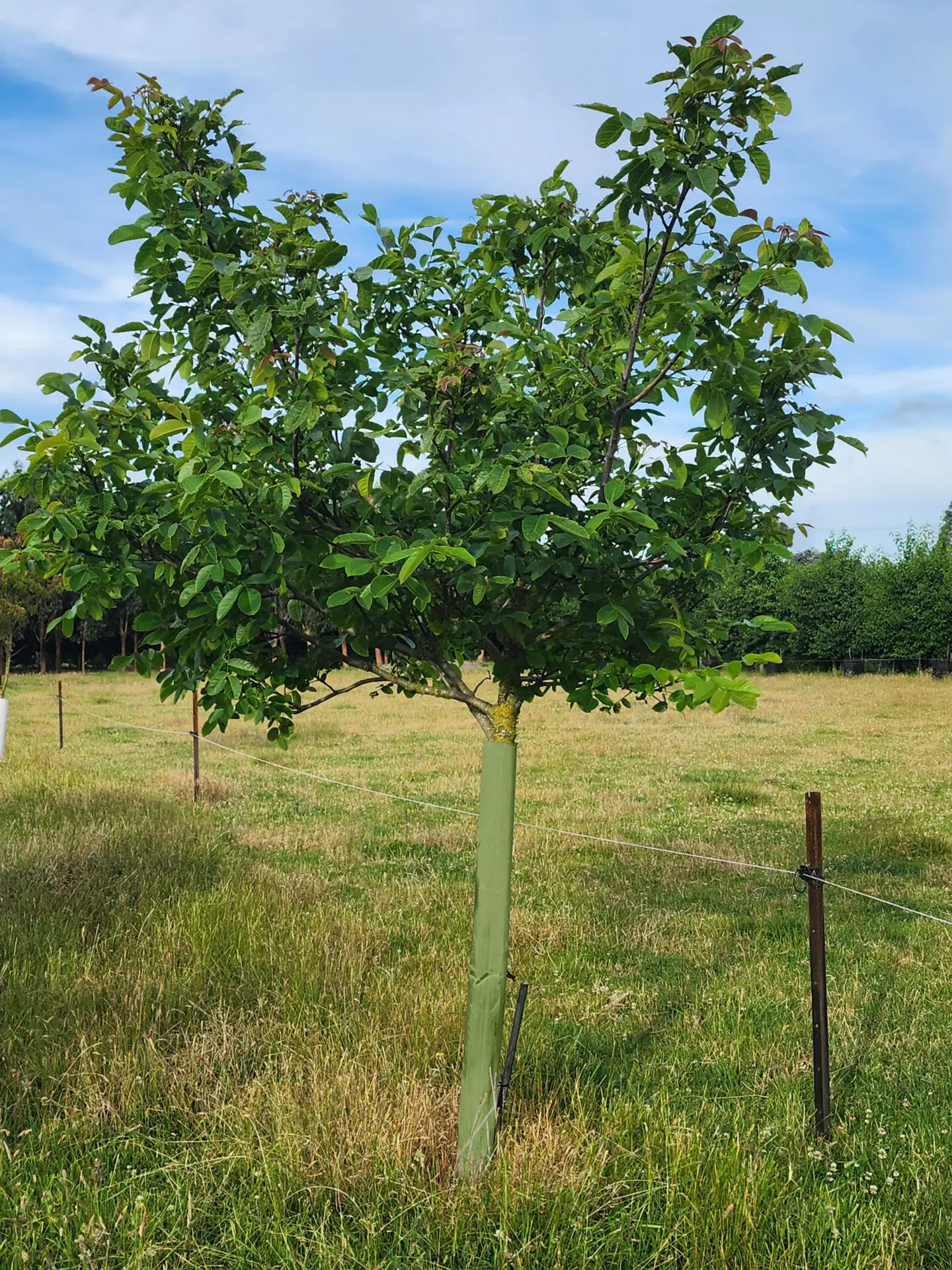
Plant guards play a crucial role by creating a controlled microclimate around each plant. They:
This results in faster growth rates and higher survival percentages, especially in exposed or large-scale planting environments.
Systems such as CombiGuard and CombiShield are widely used for cost-effective large-scale revegetation, enabling the use of smaller, more economical plants while still achieving strong establishment outcomes.
Not all plant guards perform the same. Selecting the right system depends on site conditions, animal pressure and project scale.
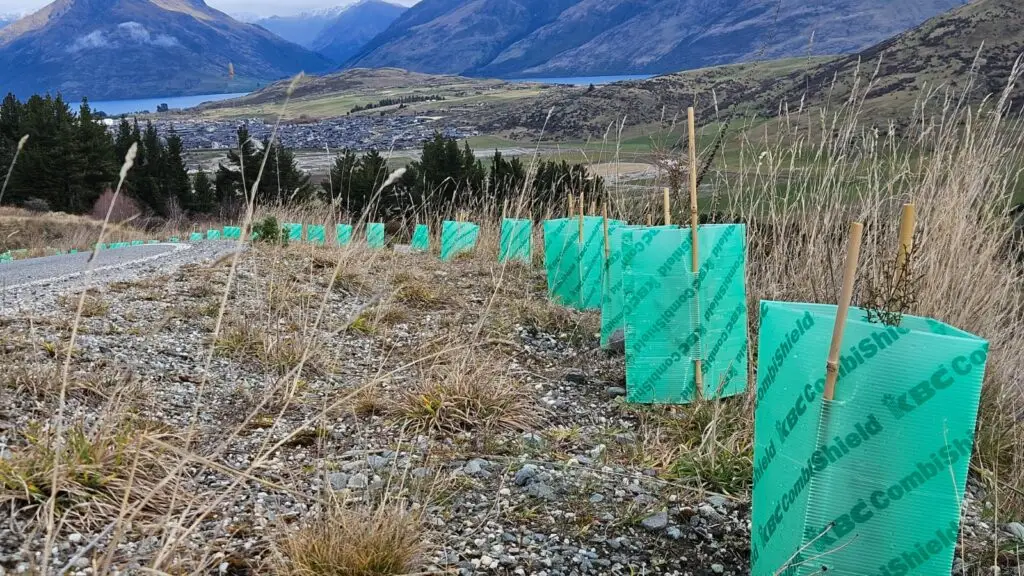
CombiGuard
These systems are designed for efficiency, making them a go-to choice for contractors managing large planting programmes.
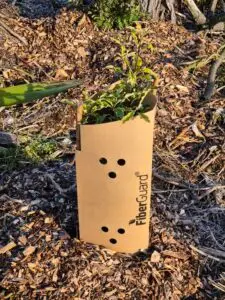
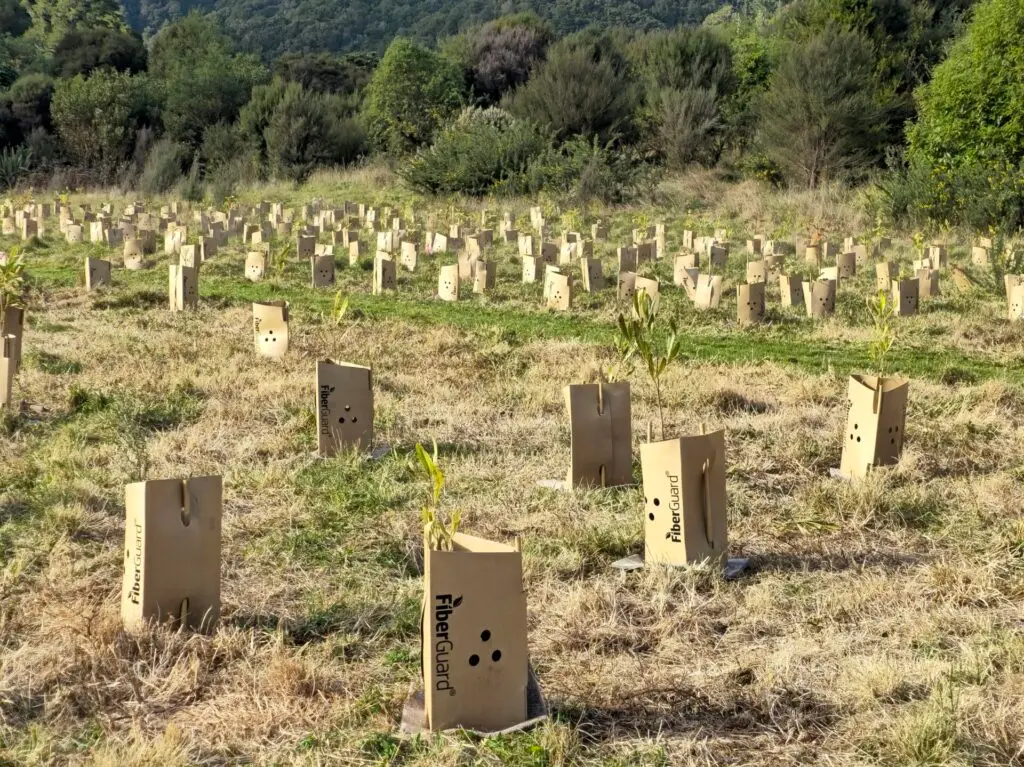
FiberGuard®
FiberGuard is ideal for projects where long-term sustainability and reduced maintenance are priorities. With a new innovative pre-assembled design, the FiberGuard 2.0 cuts installation time and labour cost significantly.
TriGuard / SquareGuard
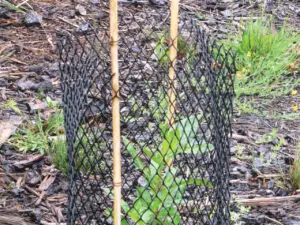
These guards are suited to coastal, alpine or high-wind sites where additional durability is needed.
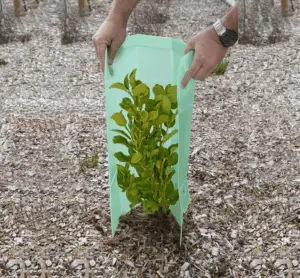
TreeTube systems
Selecting the right guard ensures plants are protected from the specific risks of the site, which is one of the most important decisions in improving survival rates.
Weed competition is one of the biggest causes of plant failure in revegetation projects.
Uncontrolled weeds:
Integrating weed suppression at the time of planting is essential.
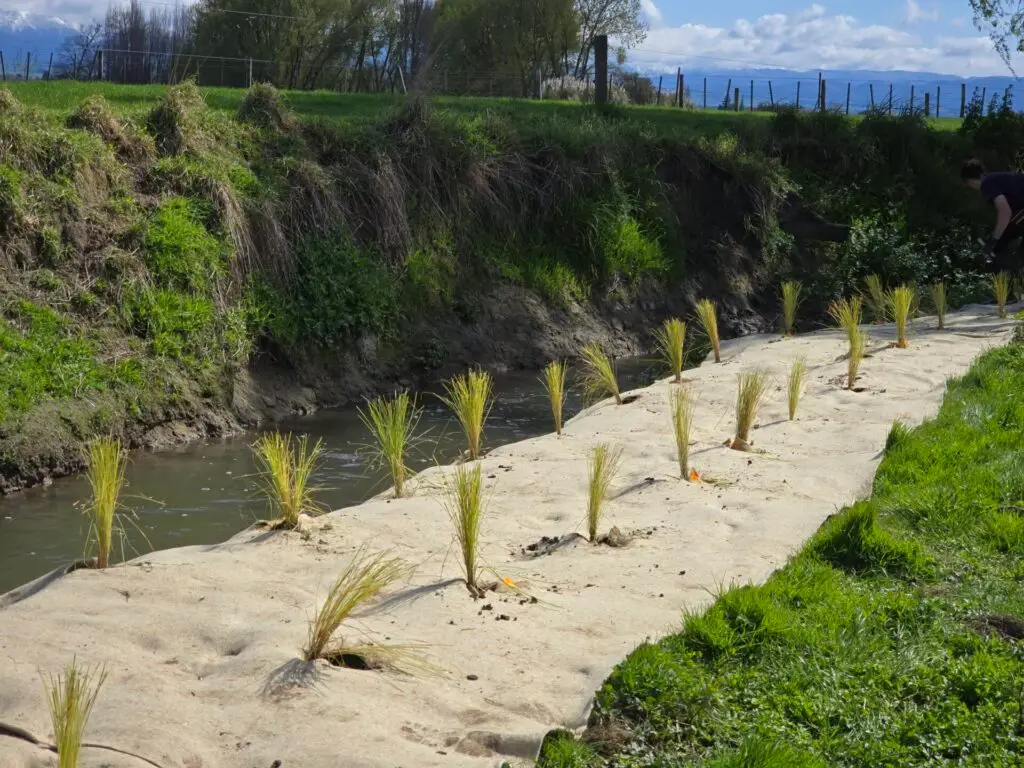
Products such as:
provide effective weed control while supporting plant growth.
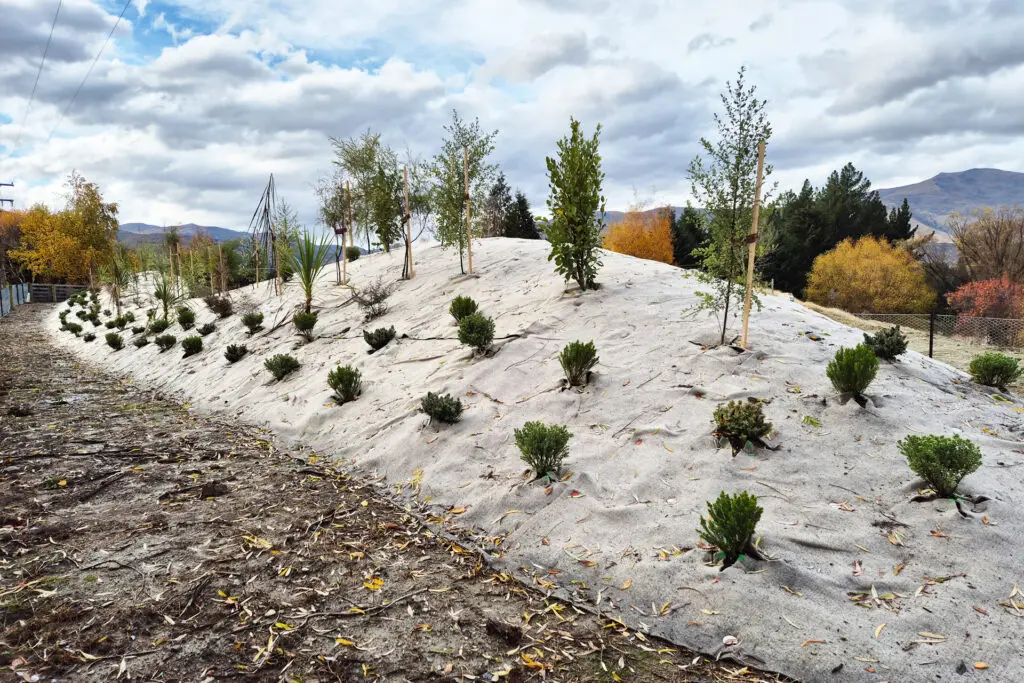
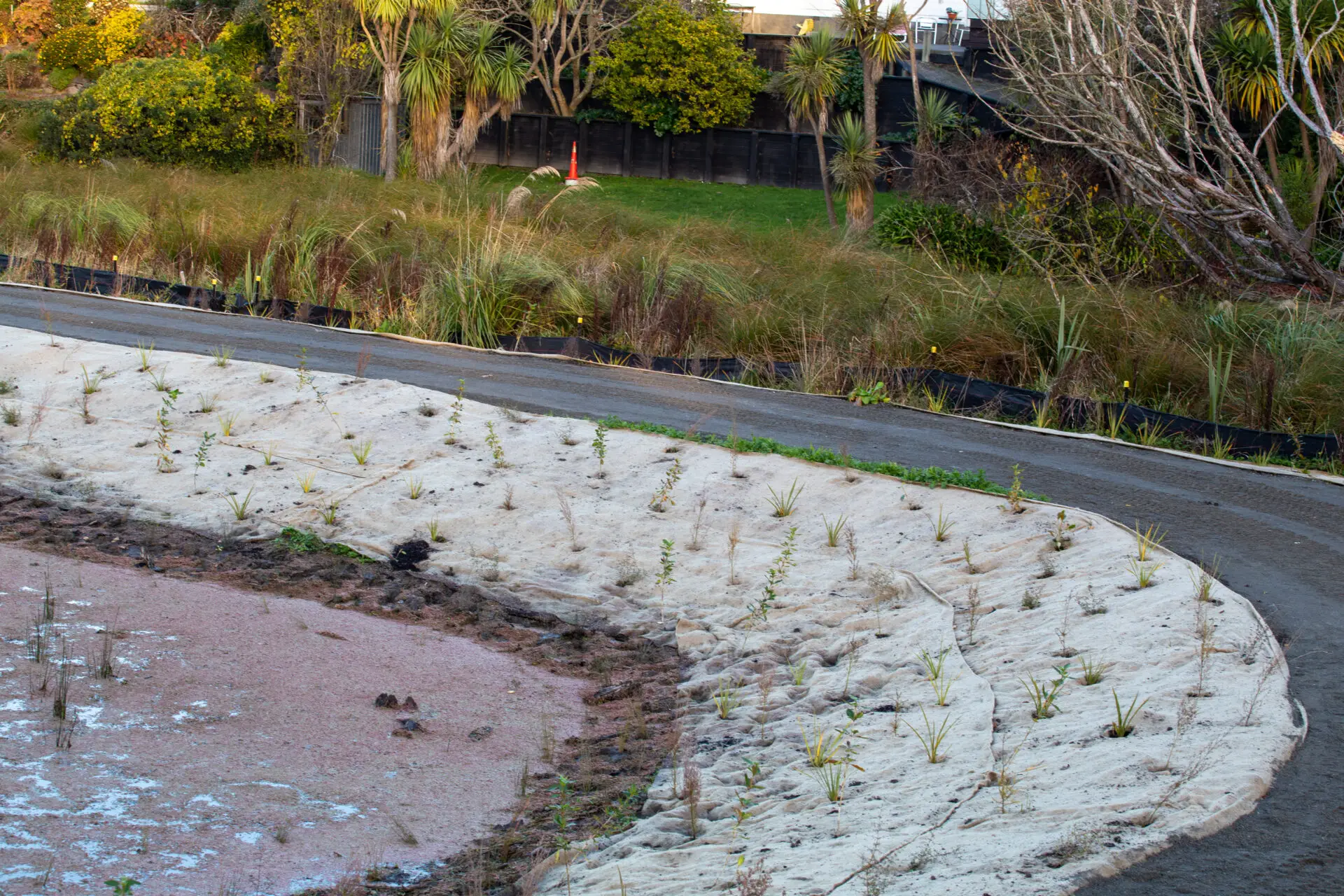
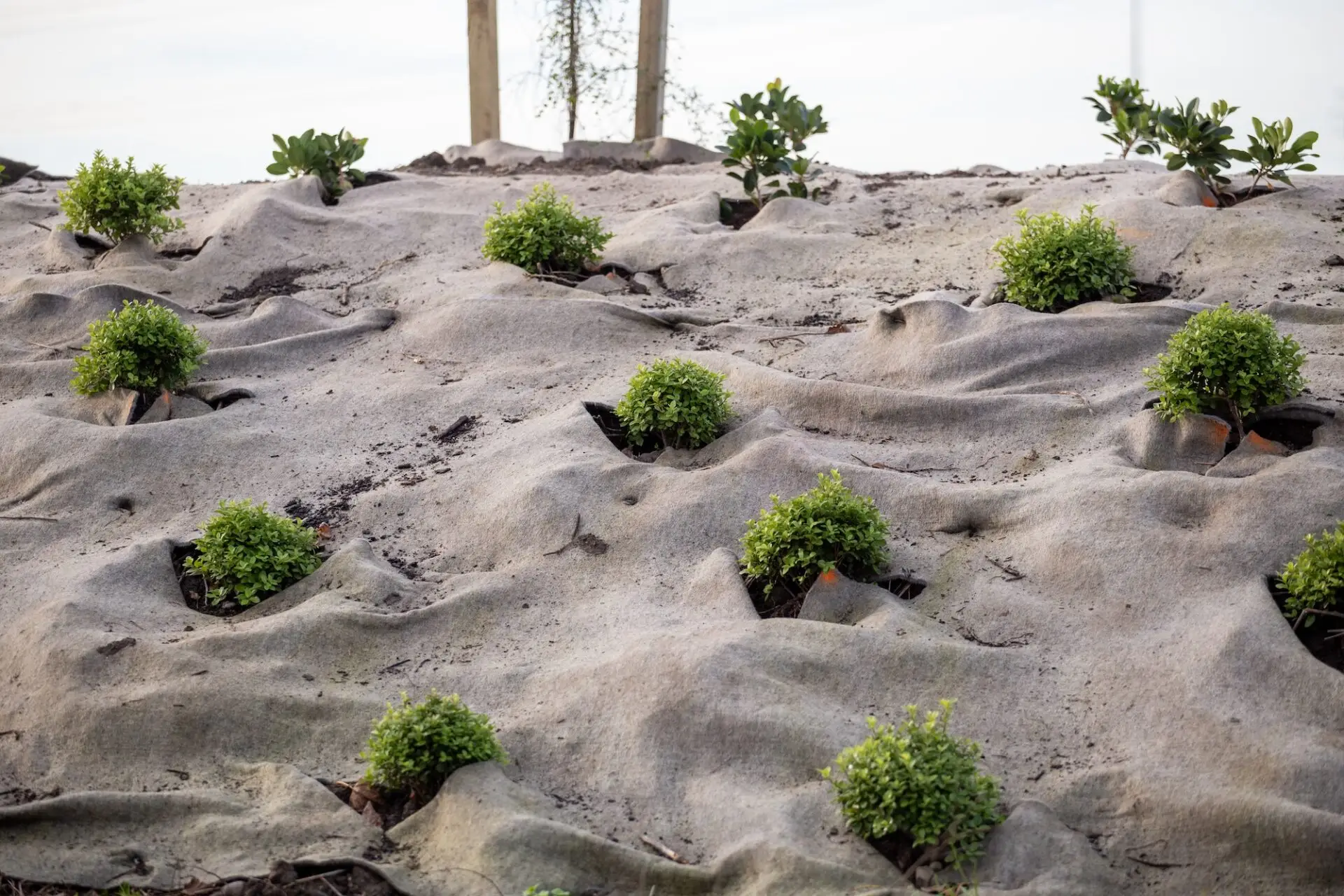
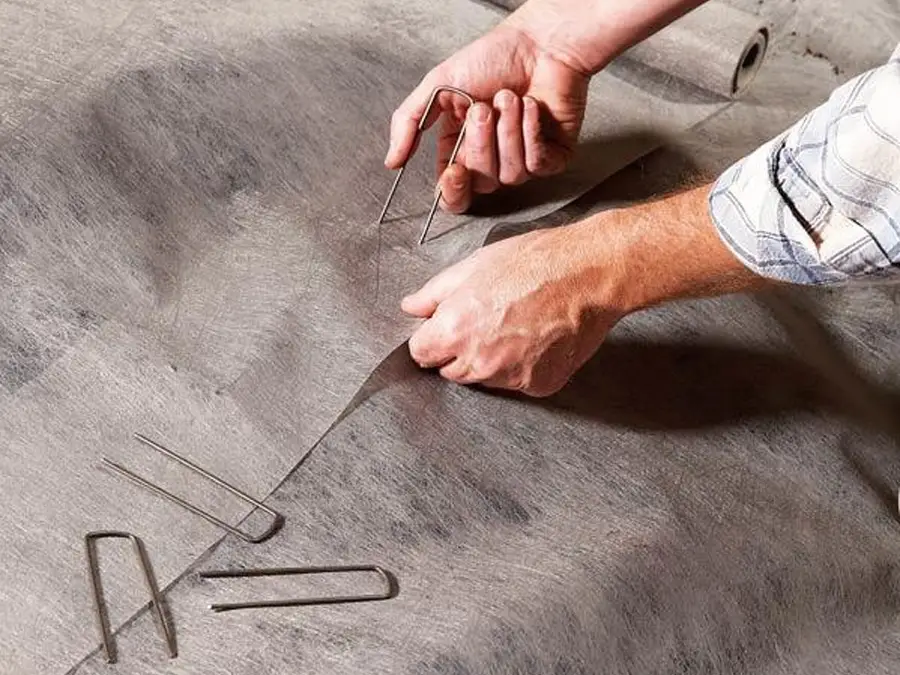
These natural fibre geotextiles:
By combining plant guards with mulch matting, projects can significantly reduce the need for herbicide use and ongoing maintenance.
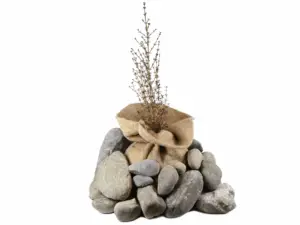
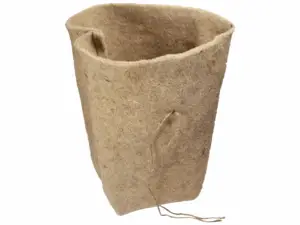
FuturFiber® Wonton Planting Bags
These are particularly effective in riparian zones, rocky ground and erosion-prone areas.
View natural fiber geotextiles
Learn more about FuturFiber Geotextiles
Water availability is a major limiting factor in plant establishment, particularly in dry regions or during summer planting seasons.
Even with weed suppression, plants can struggle if soil moisture is inconsistent.
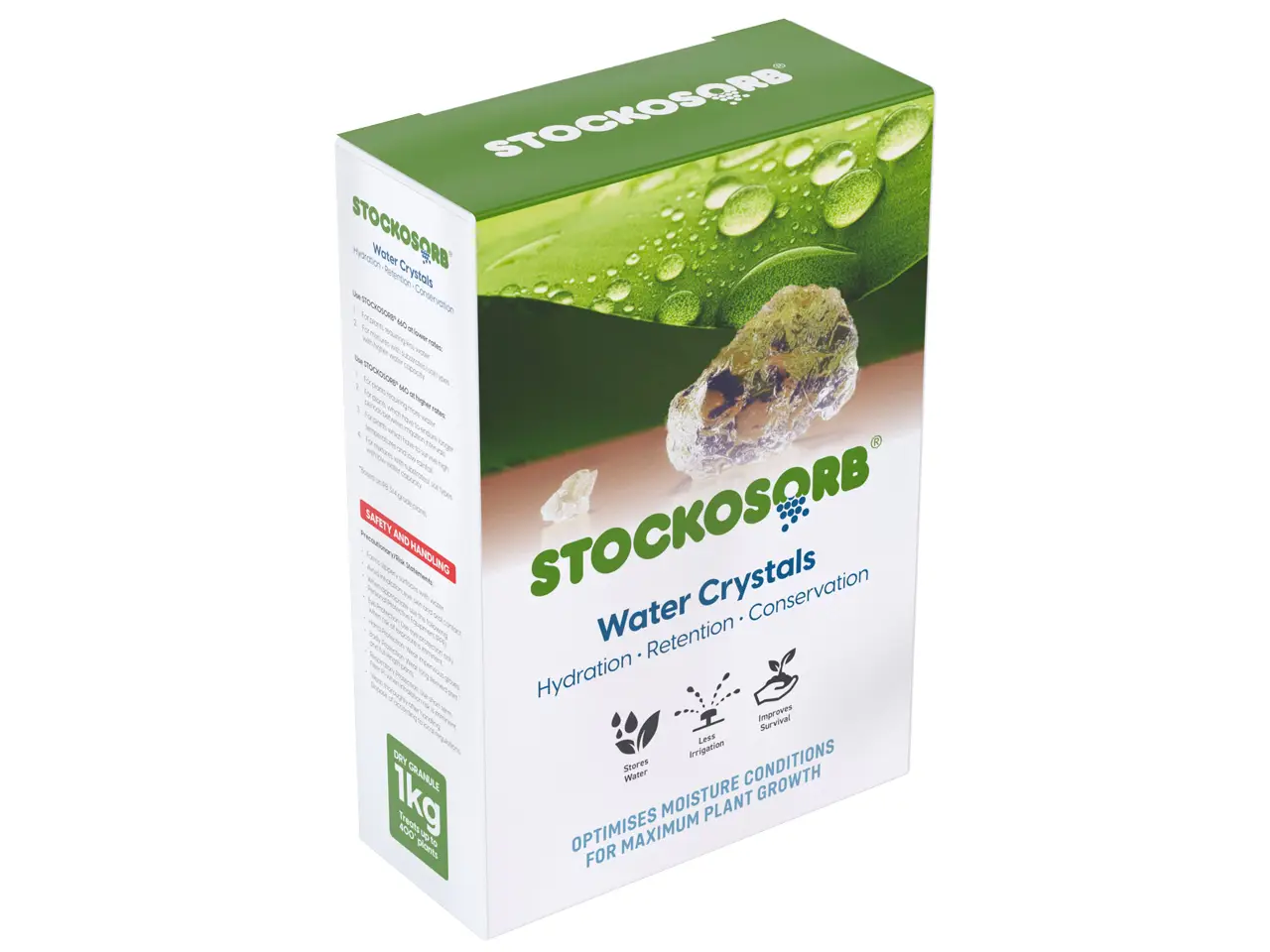
Stockosorb™ Water Retention Crystals
This creates a buffer against drought and inconsistent rainfall.
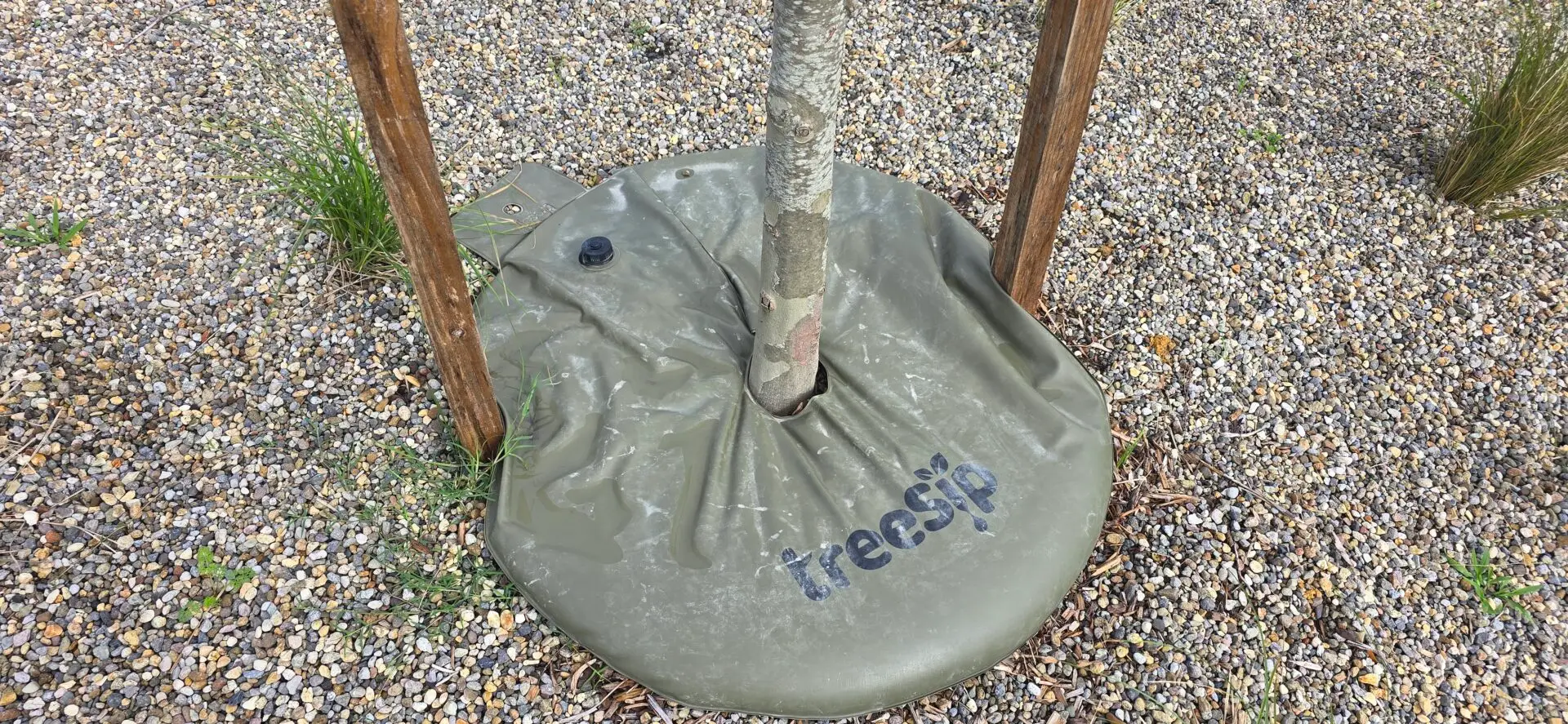
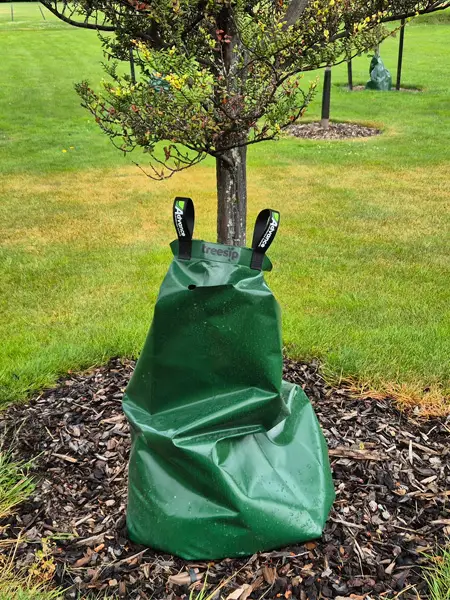
TreeSip Watering Bags
TreeSip provides consistent deep watering, which is far more effective than frequent shallow irrigation.
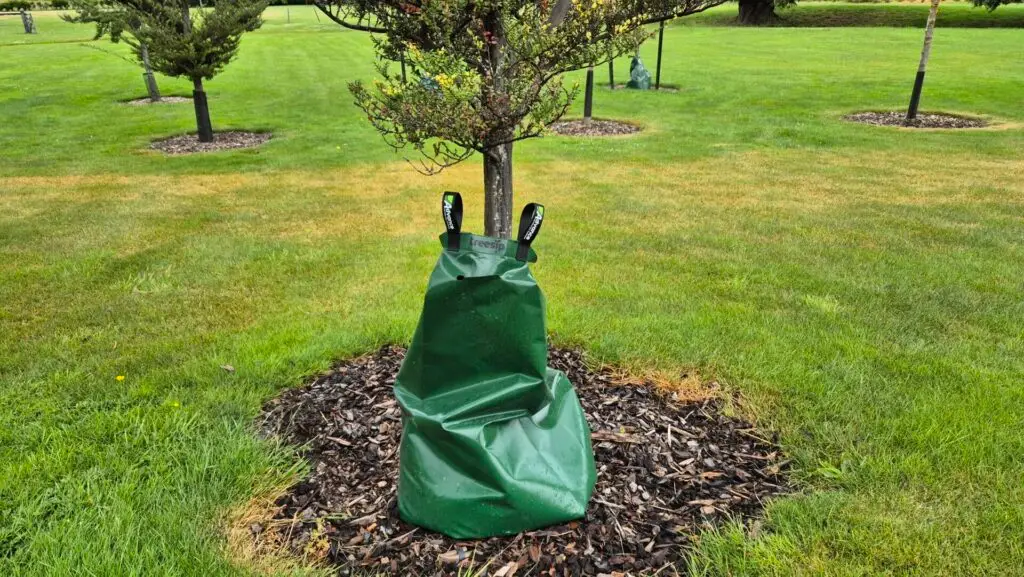
Combining these solutions ensures plants receive consistent moisture during the critical establishment phase.
Improving survival rates is not just about environmental outcomes. It also has a direct impact on project economics.
Poor establishment leads to:
By contrast, investing in the right establishment systems upfront delivers:
Products like plant guards and natural fibre matting may increase upfront costs slightly, but they typically pay for themselves through reduced maintenance and higher survival rates.
The most successful revegetation projects take a system-based approach, combining multiple elements rather than relying on a single solution.
A typical high-performing system includes:
When these components work together, survival rates increase significantly and projects achieve long-term success faster.
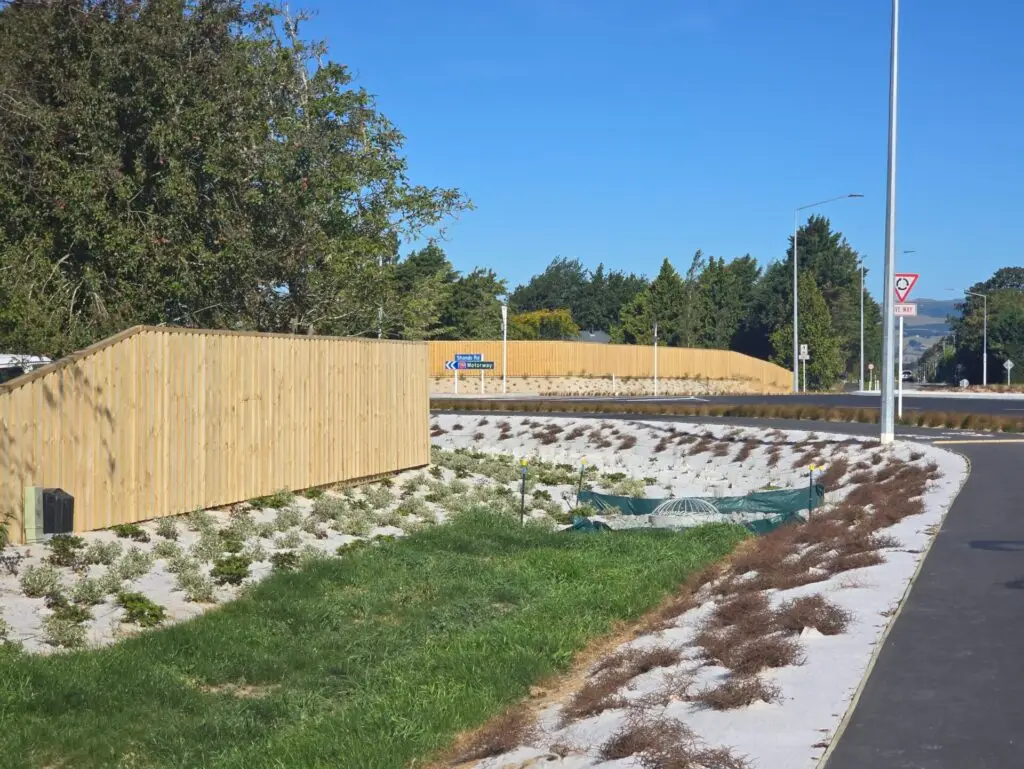
At Advance Landscape Systems, we work with contractors, councils and designers across New Zealand to deliver practical, proven solutions for large-scale planting.
From plant protection and weed suppression to water management and establishment systems, our team can help you design a solution tailored to your site conditions and project goals.
If you’re planning a revegetation project and want to improve survival rates while reducing long-term costs, get in touch with our team for advice, product recommendations or samples.
Protect. Nurture. Sustain.