%label%
%sku%%description%

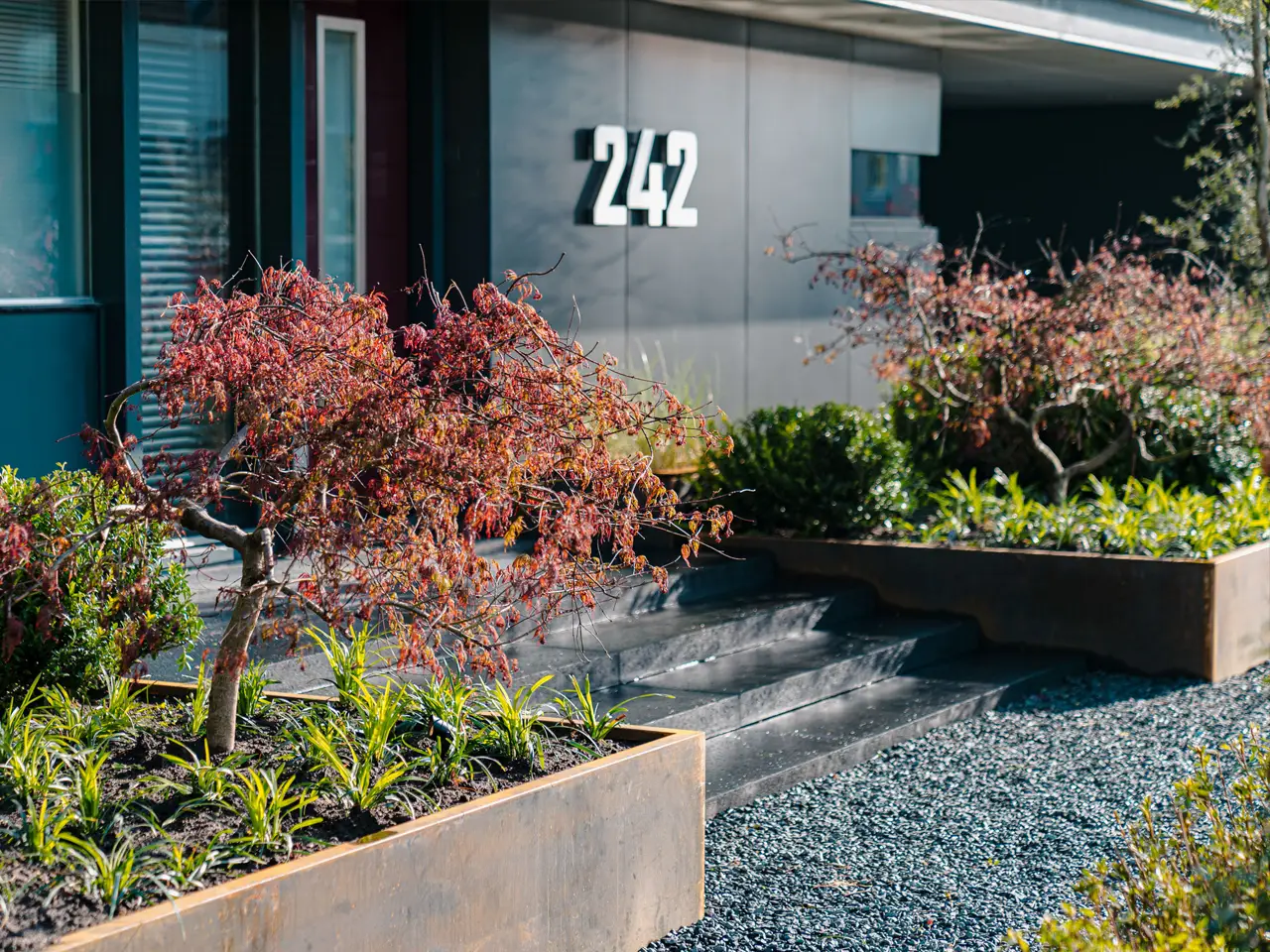
When a landscape feels clean, resolved and well considered, it is often the small details doing the heavy lifting. The edges between surfaces, the definition around planting areas, and the way paths, beds and built elements meet. These details may not always be the first thing people notice, but they play a major role in how a landscape looks, functions and holds up over time.
That is why specifying the right landscape edging and structural elements matters. For landscape architects, designers, contractors and project teams, these products are about far more than simply separating spaces. They help define form, support durability, improve visual clarity and contribute to the overall success of the finished landscape.
In any outdoor space, structure creates order. It helps guide movement, separate materials, contain planting, frame surfaces and reinforce the design language of the site. Without that structure, even a well-planned landscape can feel less cohesive than intended.
Good edging and structural elements do several things at once. They help bring discipline to a design, improve the way the site is read, and support practical construction outcomes on the ground. They also influence long-term maintenance by helping spaces stay tidy, controlled and easier to manage. In other words, these are not just finishing touches. They are part of the framework that makes a landscape work.
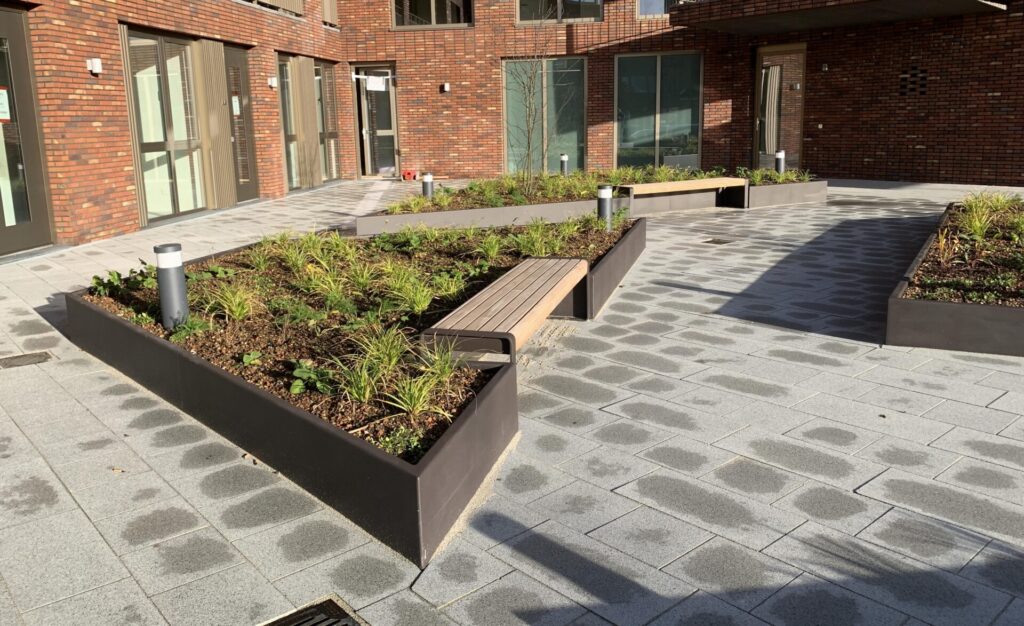
When choosing landscape edging or structural elements, the first question should not simply be, “What will contain this area?”
A better question is, “What will help this landscape perform and present well over time?” That shift in thinking often leads to better decisions. The right product should support the design intent of the space while also meeting the practical needs of the project. That includes installation, durability, maintenance and how the site will be experienced by the people using it.
One of the biggest roles of edging and structural landscape elements is to support visual clarity. Clean lines and well-defined transitions help create a landscape that feels deliberate and professionally resolved. They can strengthen the contrast between planting and paving, make circulation routes easier to read, and improve the overall rhythm of a site.
This is particularly important in:
In these settings, the quality of detailing has a direct impact on how the finished project is perceived.
If the landscape language is modern and refined, the edging and structural systems should support that outcome rather than work against it.
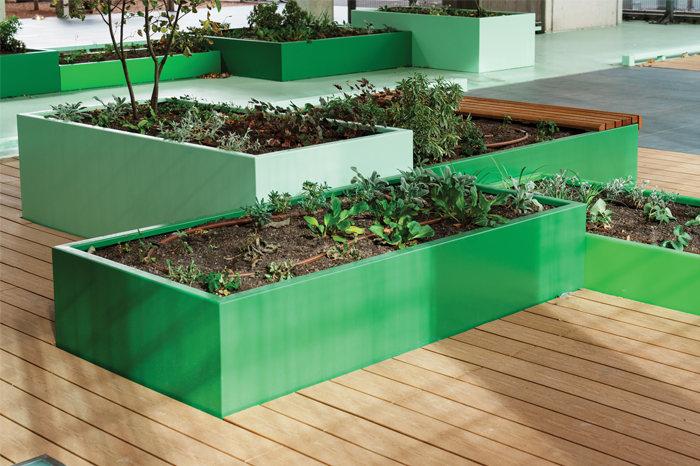
Landscape products need to do more than look good at handover They must continue to perform through weather, wear, maintenance activity and everyday use. This is especially important in public and commercial projects where landscapes are exposed to high traffic and long-term asset expectations.
When specifying edging or structural elements, it is worth considering:
Durability is not just about preventing failure. It is about maintaining quality and consistency as the landscape matures.
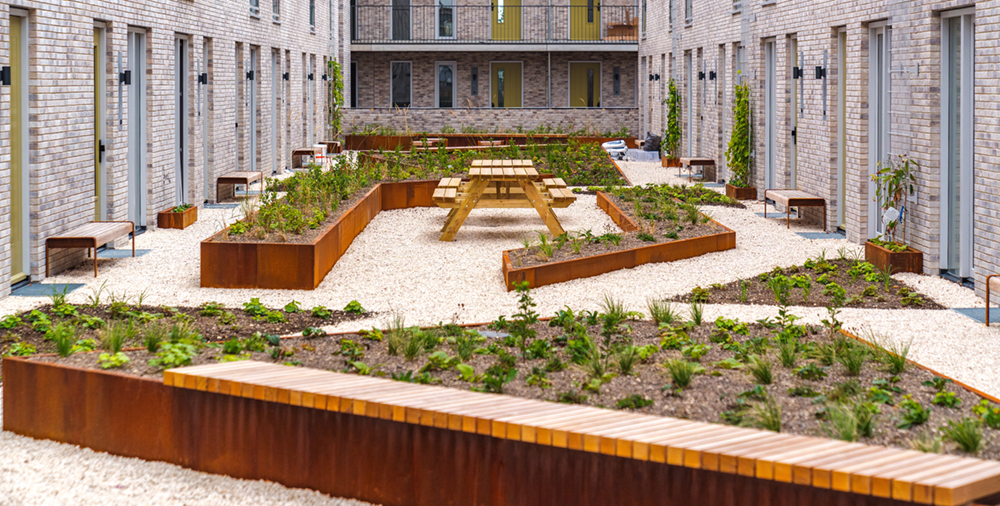
No two landscapes ask for exactly the same solution. A streetscape upgrade may require a different approach from a park, commercial development or high-end residential project. The right edging or structural system should suit the scale, purpose and visual ambition of the site.
For example, projects with a stronger architectural focus often benefit from products that deliver sharper lines and a more refined appearance. More naturalistic environments may need a different visual response. Public projects may place greater emphasis on durability and consistency across large areas. The important thing is to specify with the context in mind.
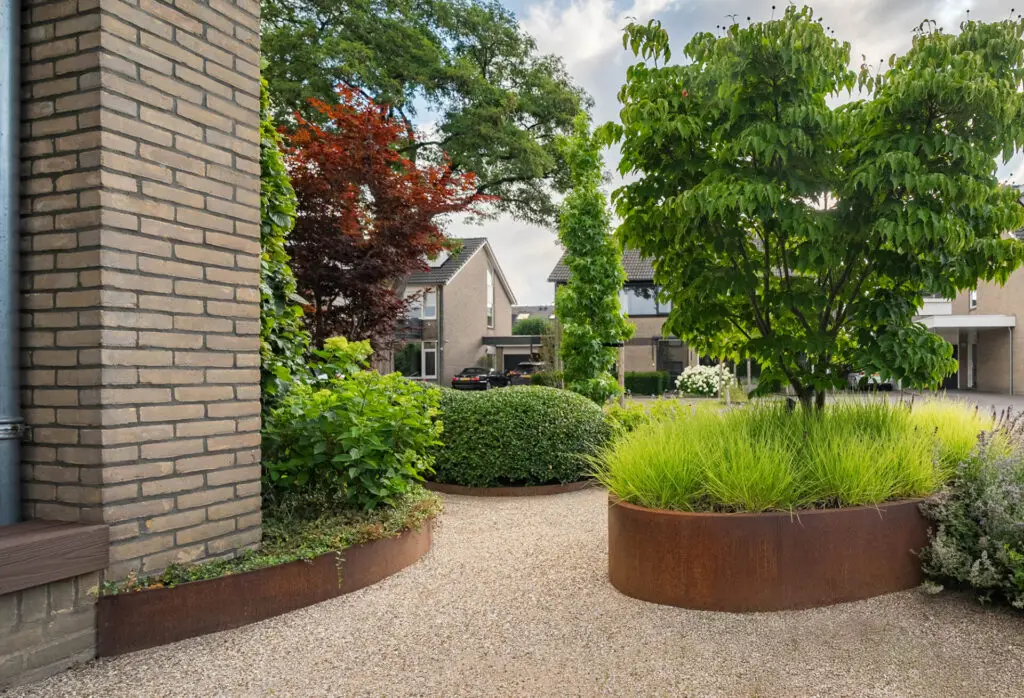
A good landscape detail still needs to be practical to construct. That is why buildability should always be part of the specification conversation. Products that support efficient installation, clear setting-out and consistent execution can make a significant difference on site. For contractors, this can improve workflow and reduce unnecessary complexity. For designers and clients, it can help protect the intended finish by making it easier to achieve in practice. A well-specified product is one that works not only on paper, but also during delivery.
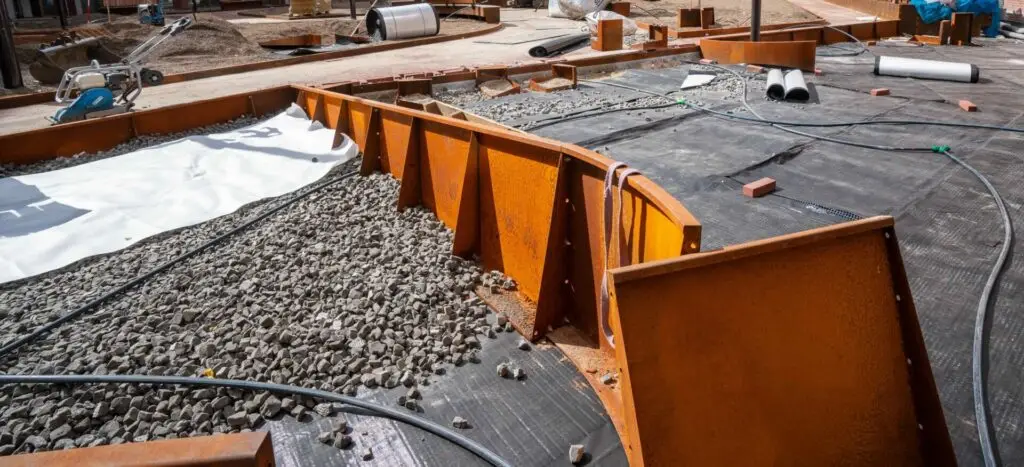
Landscape edging and structural elements influence maintenance more than many people realise. They help control the relationship between planted and paved areas, reduce migration between materials, and support cleaner long-term presentation. This can affect the amount of upkeep required over the life of the project. That is why the lowest upfront cost is not always the best value. A product that supports better durability, cleaner definition and lower maintenance pressure may deliver stronger lifecycle value in the long run. For clients and asset owners, this can be just as important as the initial installation cost.
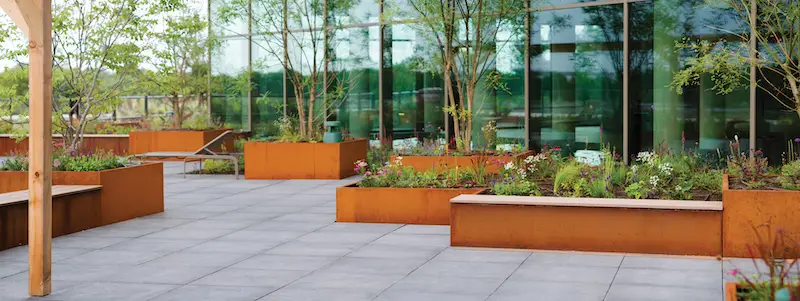
The right product matters, but so does the support behind it. Specifiers and contractors often benefit from working with suppliers who understand both the technical and practical side of landscape delivery. Early advice can help confirm the suitability of a product, reduce uncertainty and support a smoother path from design to installation. This becomes especially valuable on projects where the landscape detail plays an important role in the finished outcome.
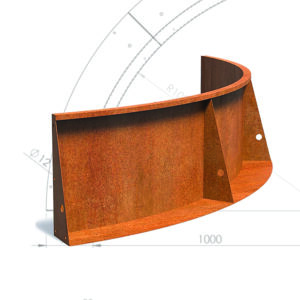
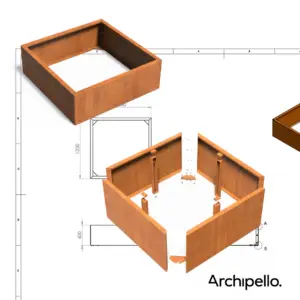
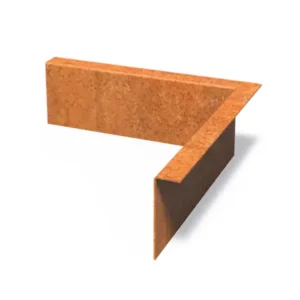
For projects where structure, detail and premium finish matter, Archipello. is a strong fit.
Archipello. is designed for landscapes that need clean definition, visual clarity and a more resolved appearance. It is particularly well suited to:
In these settings, small details can have a major impact. A product like Archipello. helps reinforce the design intent of the site while contributing to a cleaner and more cohesive landscape result. Rather than being treated as a minor edge treatment, it should be considered as part of the broader structure of the space.
The most successful landscapes are usually the ones where the detail has been thought through early. When edging and structural elements are specified carefully, they help create spaces that are easier to build, stronger in appearance and better able to hold their quality over time. They support the connection between concept and completion. That is why these decisions matter. Landscape edging and structural elements may sit quietly in the background, but they shape how the entire site is experienced. And when chosen well, they can make the difference between a landscape that simply works and one that feels complete.
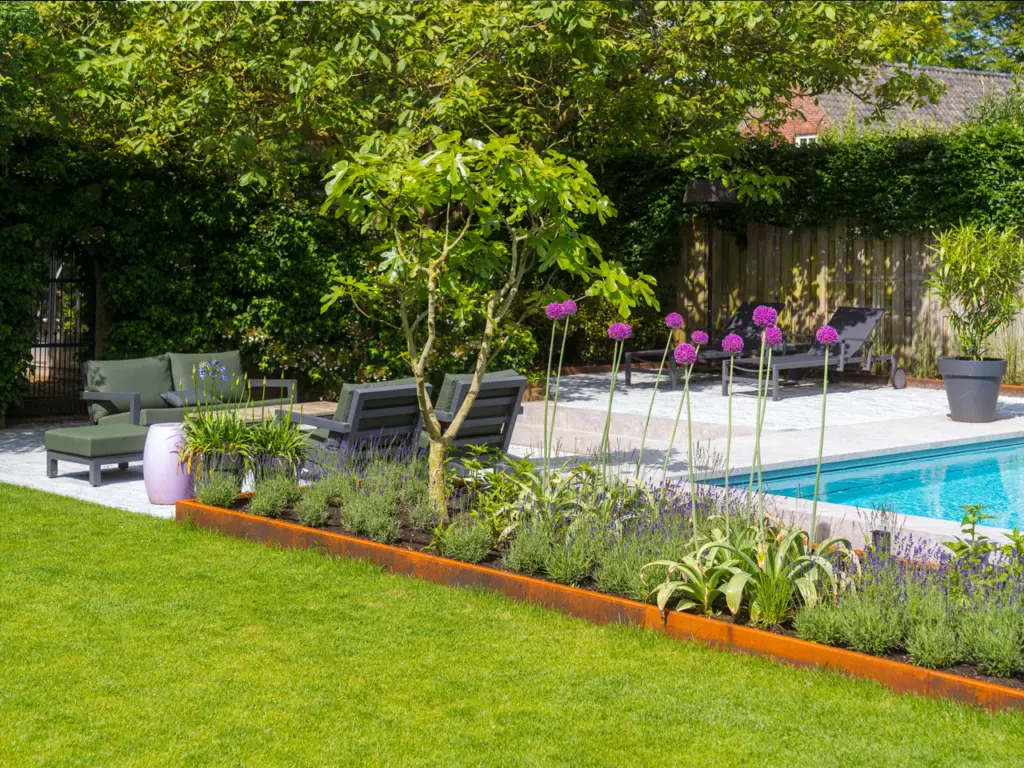
If you are specifying a project where landscape structure, clean detailing and long-term finish matter, talk to the team at Advance Landscape Systems about Archipello. and the right solution for your site.