%label%
%sku%%description%
Sustainability has become one of the most used words in the landscape industry. But for project teams, clients and communities, good intentions are no longer enough.
Sustainability is now part of almost every landscape conversation. Clients ask for it, councils expect it, designers want it and contractors are increasingly working with it in mind.
But in practice, sustainable landscaping is not about using the right buzzwords. It is about making smarter choices that lead to better long-term outcomes for the land, the project and the people who use the space.
That is why sustainability in landscaping needs more than good intentions.
It needs to show up in the materials you specify, the systems you install, the way products perform over time, and the environmental impact they leave behind. It also needs to be practical. A sustainable solution only works if it suits the site, supports the project goals and helps create a landscape that lasts.
At Advance Landscape Systems, that means looking at sustainability through the full lens of landscape performance. It is not only about reducing harm, it is about helping projects deliver healthier plant establishment, better erosion control, more thoughtful material choices and stronger environmental outcomes overall.
Sustainable landscaping is often described in broad terms, but on the ground it comes down to a few very practical questions:
These are the questions that matter when a project moves from concept to construction.
In many cases, sustainability is strongest when it is built into everyday decisions; the choice of erosion control materials, the way weeds are managed around new planting, the lifespan of a product and whether materials can biodegrade naturally or be recycled responsibly, and whether a system helps a site establish well enough to reduce intervention later.
That is where real progress happens.
One of the clearest ways to improve sustainability in landscaping is through better material selection.
Traditional landscape products have often prioritised short-term function without considering what happens after installation, how they interact with the environment, or whether they contribute to unnecessary waste. That is changing.
More project teams are now looking for materials that can deliver practical performance while also supporting broader environmental outcomes. In revegetation, erosion control and plant establishment work, this has created stronger demand for biodegradable and natural fibre solutions that work with the landscape rather than against it.
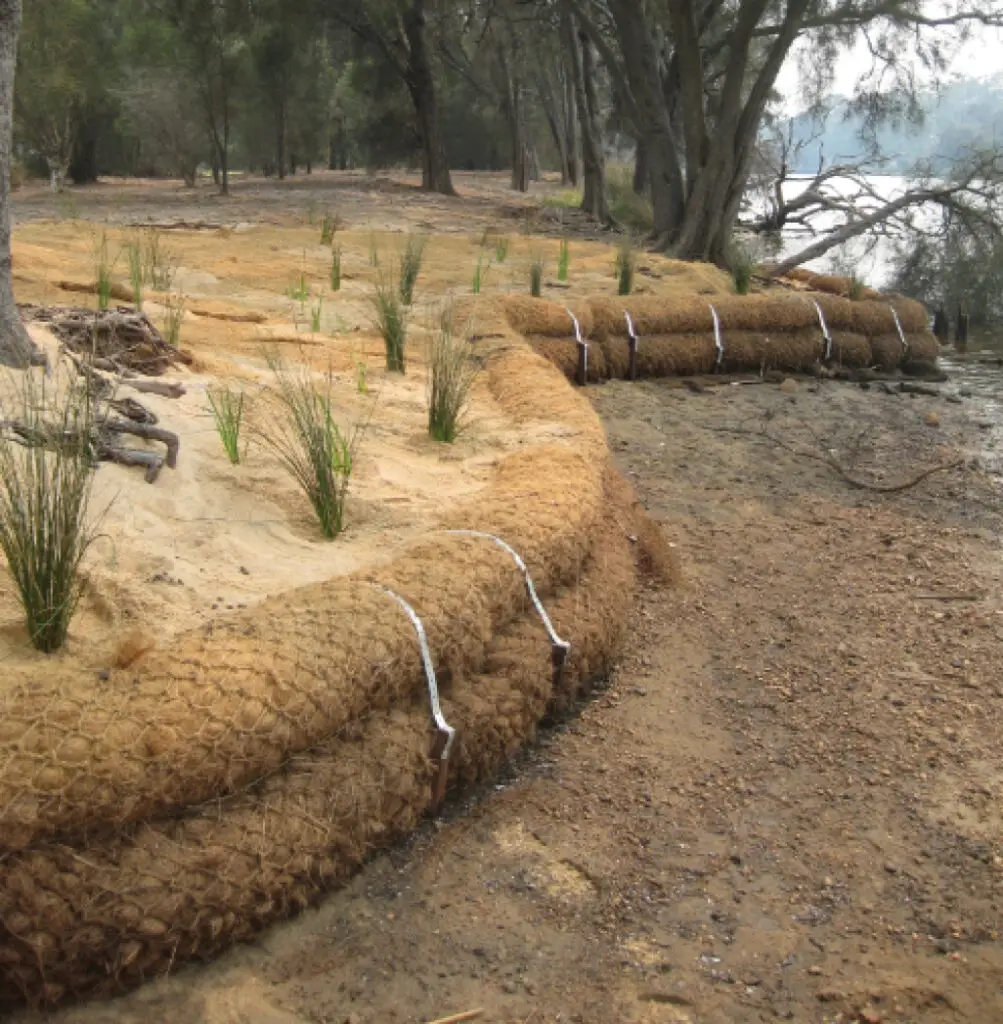
Natural fibre geotextiles are a strong example. Products made from fibres such as hemp and wool can help with weed suppression, moisture retention, erosion control and plant establishment while also offering a more natural fit within sensitive or environmentally focused projects.
For many sites, that creates a valuable balance between function and sustainability.
Good intentions alone do not make a product sustainable.
If a solution breaks down too quickly, performs poorly, creates installation issues or fails to support long-term project outcomes, it may not be the right environmental choice at all. Sustainable landscaping still needs to work in real-world conditions.
That is why performance matters just as much as material credentials.
The most effective sustainable landscape systems are the ones that:
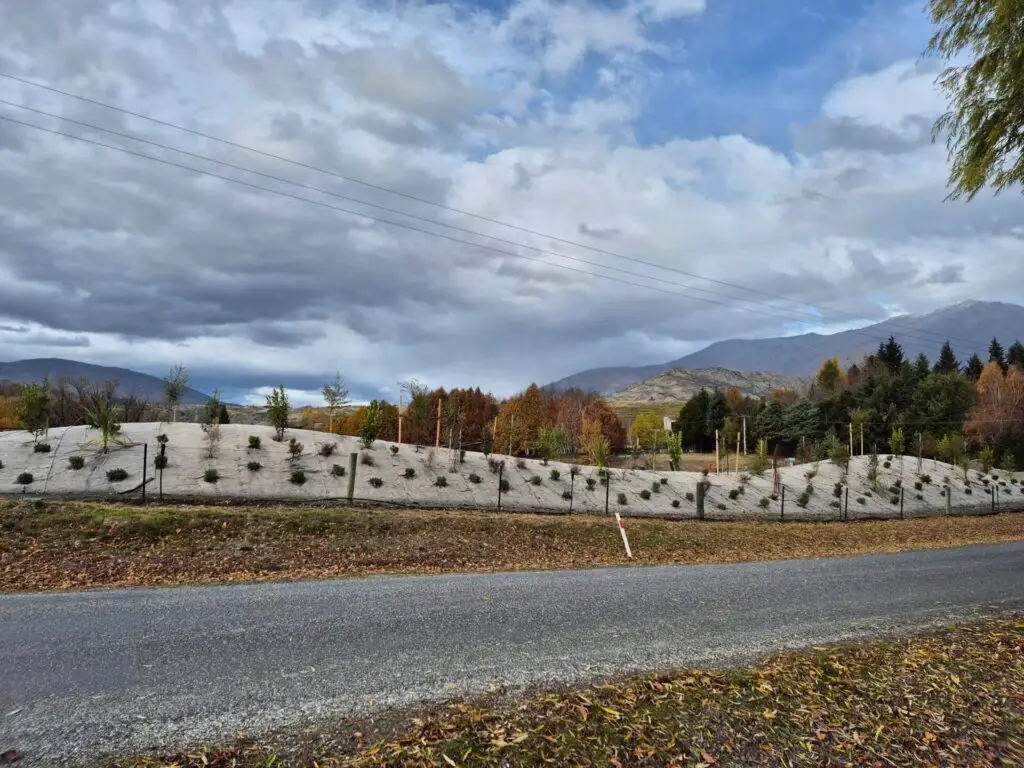
This is especially important in New Zealand, where landscapes often face challenging weather patterns, exposed sites, variable soils and demanding public expectations. Products need to be chosen with those realities in mind.
A sustainable solution should not ask you to compromise on project performance. It should help improve it.
Sustainability in landscaping is not only about whether a material is natural or synthetic.
It is also about the wider system around the product.
For example, some projects are well suited to biodegradable materials. Others may require a more durable product because of site conditions, installation demands or design constraints. In those situations, responsible recycling pathways and better end-of-life outcomes become just as important.
This is a more useful way to think about sustainability. Not as a one-size-fits-all rule, but as a commitment to making better choices across the whole product lifecycle.
That might mean choosing natural fibre solutions where they are the best fit. It might mean selecting products that reduce maintenance demands and repeated site disturbance. It might mean supporting recycling schemes where reuse or recovery is possible. In every case, the goal is the same: to reduce unnecessary environmental impact while still achieving a strong project outcome.
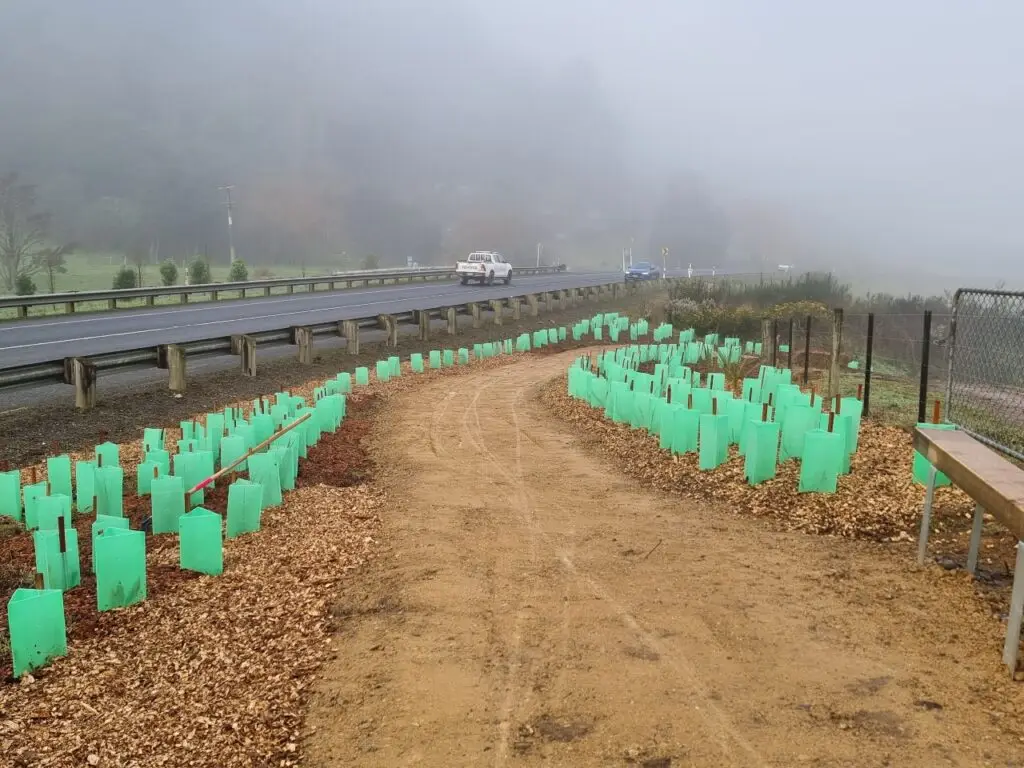
The pressure on landscape projects has changed significantly in recent years.
Clients are asking tougher questions about environmental impact. Public sector organisations are under greater scrutiny. Developers want landscapes that support both presentation and long-term value. Communities expect outdoor spaces to contribute positively to the environment, not simply look good on opening day.
As a result, sustainability is no longer an optional extra. It is becoming part of what defines good landscape practice.
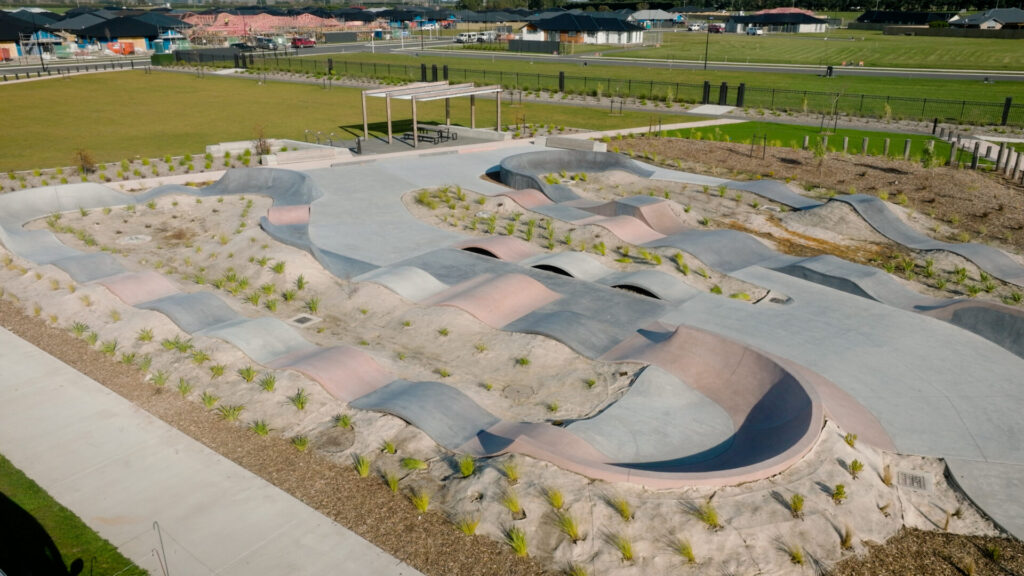
This applies across a wide range of project types, including:
In all of these settings, better landscape outcomes increasingly depend on choosing systems that support both project performance and environmental responsibility.
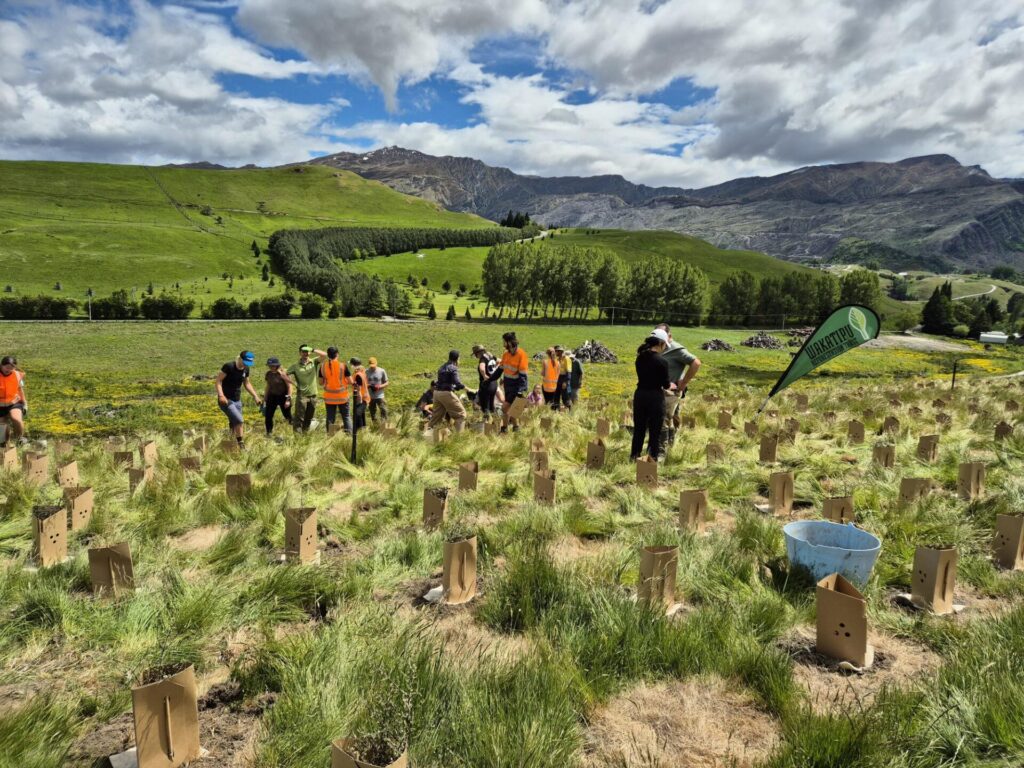
One of the most overlooked parts of sustainability is establishment.
A landscape that fails to establish well can quickly become wasteful. Plants may need replacing. Weed pressure increases. Maintenance inputs rise. Soil becomes more vulnerable. Time and budget are spent correcting problems that could have been reduced at the start.
That is why products and systems that support early plant success are so important.
Moisture retention, weed suppression, root protection and erosion control all play a role in helping new planting settle in and thrive. When that happens, the landscape becomes more self-sustaining over time. Maintenance pressure can reduce, replacement rates can fall, and the site has a better chance of developing into the outcome originally intended.
That is good for the project and good for the environment.
The best sustainability decisions are often the ones that quietly improve how a project works.
They help materials fit the site more appropriately. They make plant establishment more successful, reduce waste, unnecessary maintenance or repeated intervention, and they support better resilience over time.
This is a far more useful standard than surface-level sustainability claims.
For specifiers, contractors and clients, the real question is not whether a product sounds sustainable. It is whether it contributes to a more responsible and effective landscape outcome.
When sustainability is approached this way, it becomes a tool for building better projects, not just better language.
Every landscape project involves trade-offs. Budgets, timelines, site conditions and design ambitions all need to be balanced.
But sustainability should not sit outside that process. It should be part of how value is assessed from the beginning.
A product that supports strong plant establishment, reduces maintenance inputs, aligns better with environmental goals and contributes to a healthier site may offer better long-term value than a cheaper short-term alternative. That is especially true in projects where performance over time matters more than the lowest upfront cost.
The best landscape solutions are the ones that keep delivering after installation.
If you are looking for practical landscape solutions that support performance, plant establishment and better environmental outcomes, talk to the team at Advance Landscape Systems.
We can help you choose systems that work for your site, your specification and your sustainability goals.
